Essential Card Play Techniques in Bridge Games
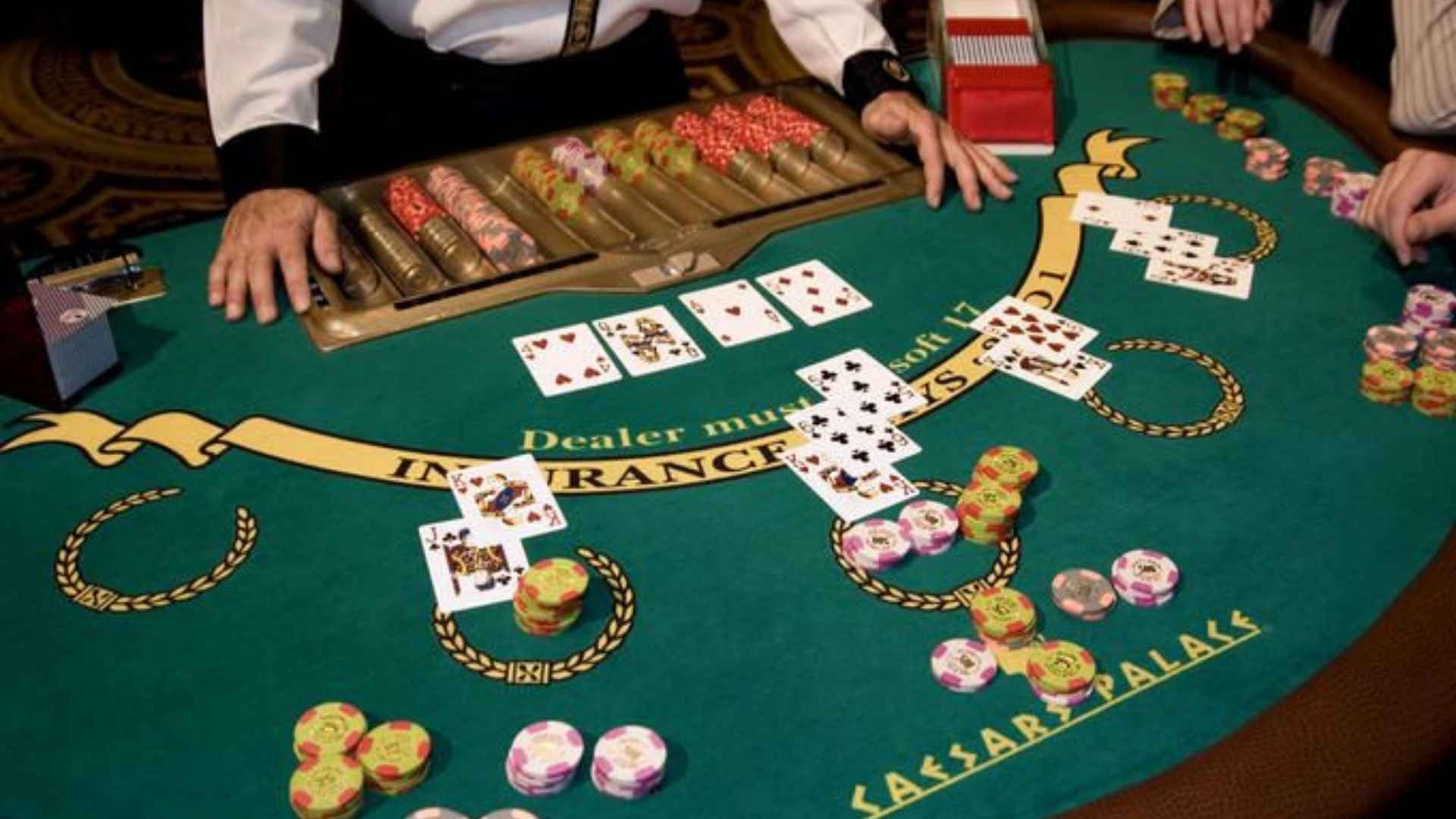
Mastering the art of card play in bridge is what truly separates casual players from seasoned experts. While bidding laying down the contract is undeniably important, executing the play of the hand with precision determines whether you actually secure your target tricks. By developing a deeper understanding of card management and defensive tactics, you can consistently guide your partnerships to victory.
Mastering Declarer Play and Planning
Before playing a single card from your hand, a successful declarer must take a moment to formulate a complete strategy. Analyzing the opening lead and mapping out the distribution of cards across the table will save you from premature errors. Counting your immediate winners and identifying your unavoidable losers should always be your very first step.
Developing your long suits systematically is a primary method for generating extra tricks during a complex contract. Finessing requires both patience and tactical estimation to determine which opponent holds key missing honors. Managing your entry cards carefully ensures you can transition between the dummy hand and your own hand fluidly.
Crucial Defensive Signaling and Communication
Defending successfully in bridge is often considered a much harder challenge than playing as the declarer. To disrupt the declarer's plan, defenders must exchange critical information about their hand strengths using legal card signals. A well-calculated opening lead can set a powerful defensive tone for the entire hand.
Many players utilize specialized online platforms through M88 login to practice their analytical skills and study various defensive strategies under pressure. Communicating clearly with your partner through high-low discards helps paint a detailed picture of your remaining card count. This seamless coordination is vital to defeating contracts that initially look secure.
Managing Trumps and Safe Discards
Knowing exactly when to draw the opponents' trump cards is a fundamental skill that prevents unexpected ruffs. If you leave key trumps outstanding, the defenders might use them to disrupt your long-suit development. However, maintaining trumps in both hands can occasionally provide essential protection or ruffing values.
Discarding unimportant cards safely requires you to keep an active mental tally of every suit played. Throwing away the wrong card too early can accidentally establish an opponent's weak suit into a winning one. Paying close attention to which cards have already been played is the ultimate key to minimizing costly mistakes.
The Value of Continuous Skill Improvement
Like any highly strategic card game, becoming proficient in bridge demands regular practice and deliberate study. Reviewing hands where contracts failed offers invaluable lessons on how to adjust your tactical approaches next time. Over time, recognizing patterns in card distribution will become second nature, allowing you to react automatically to pressure situations.